Exhibition “Linz. City in Luck” – Linz 2009 European Capital of Culture
The history of Linz was worked out on the basis of different, partly very personal perspectives to a house with many rooms.
- Year
- 2009
- Type
- checkpointmedia · Exhibition
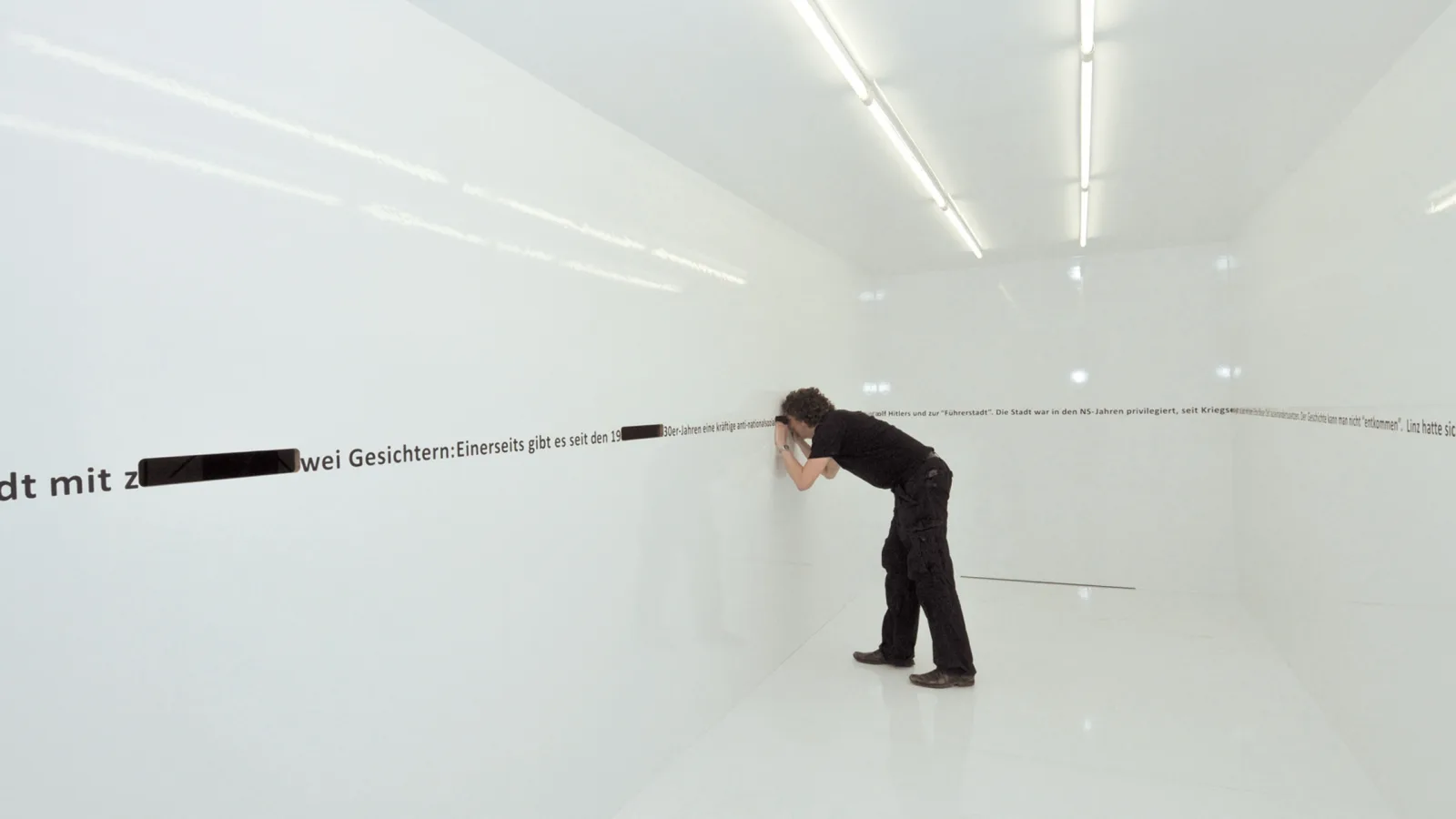
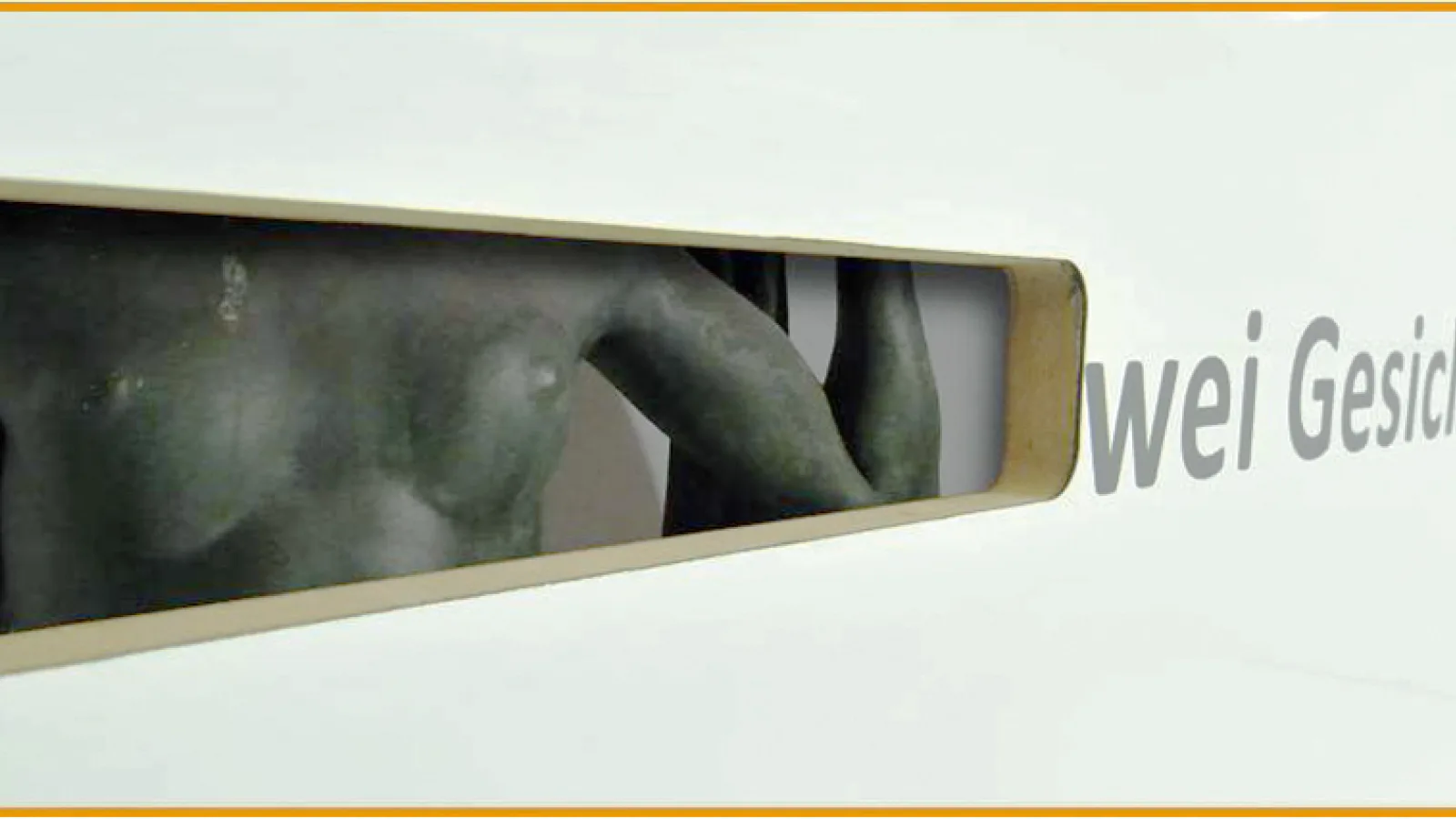
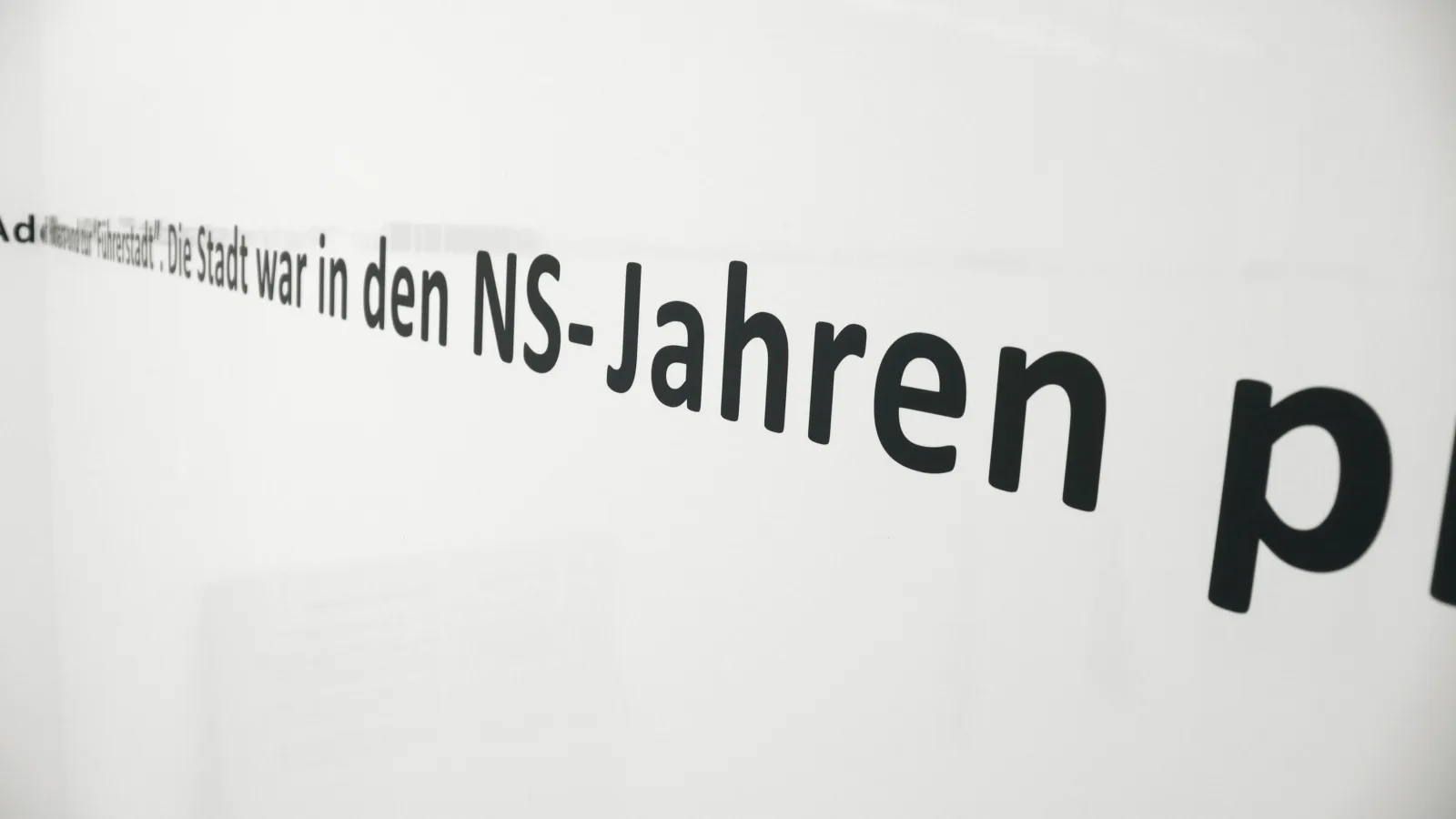
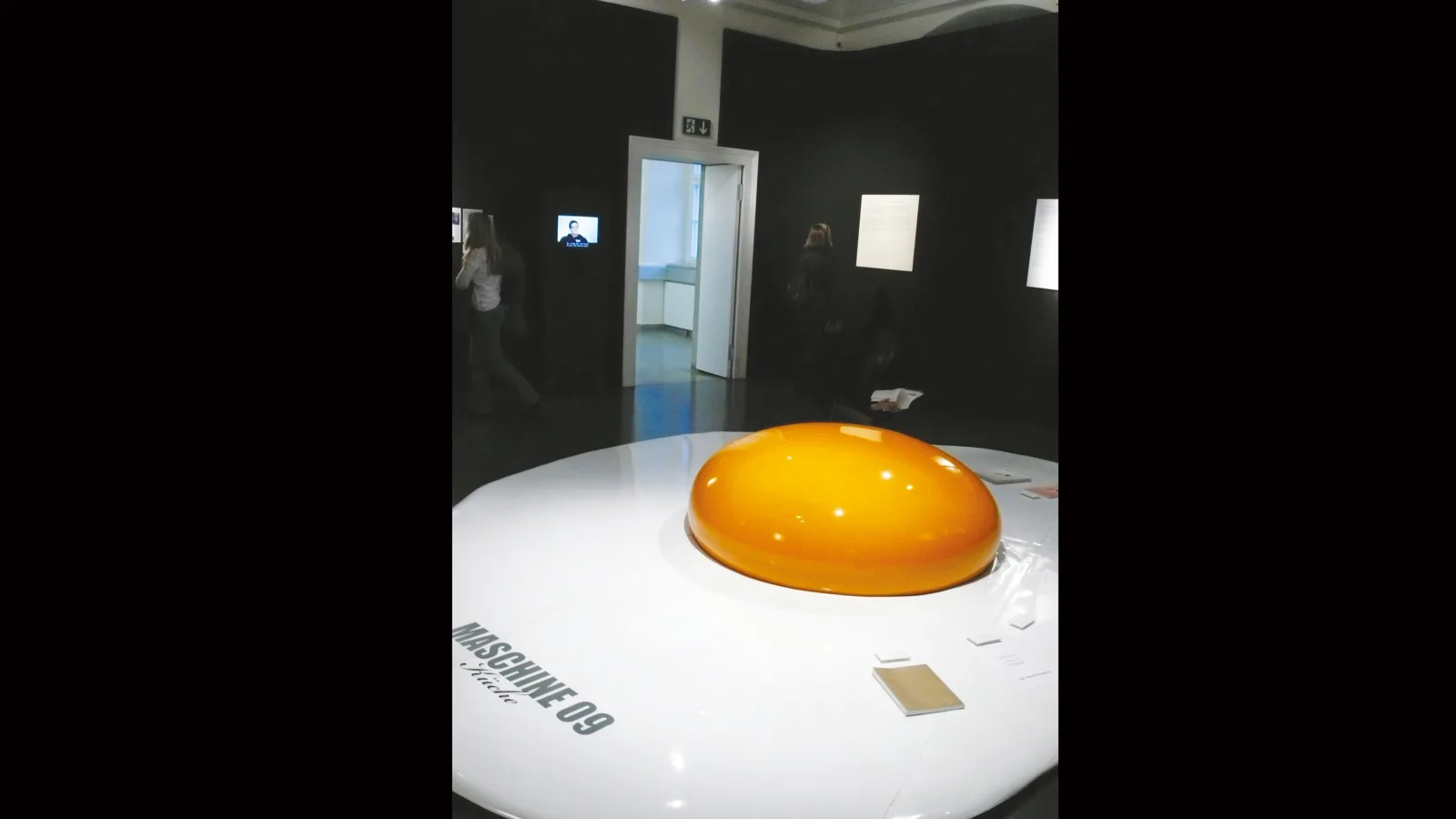
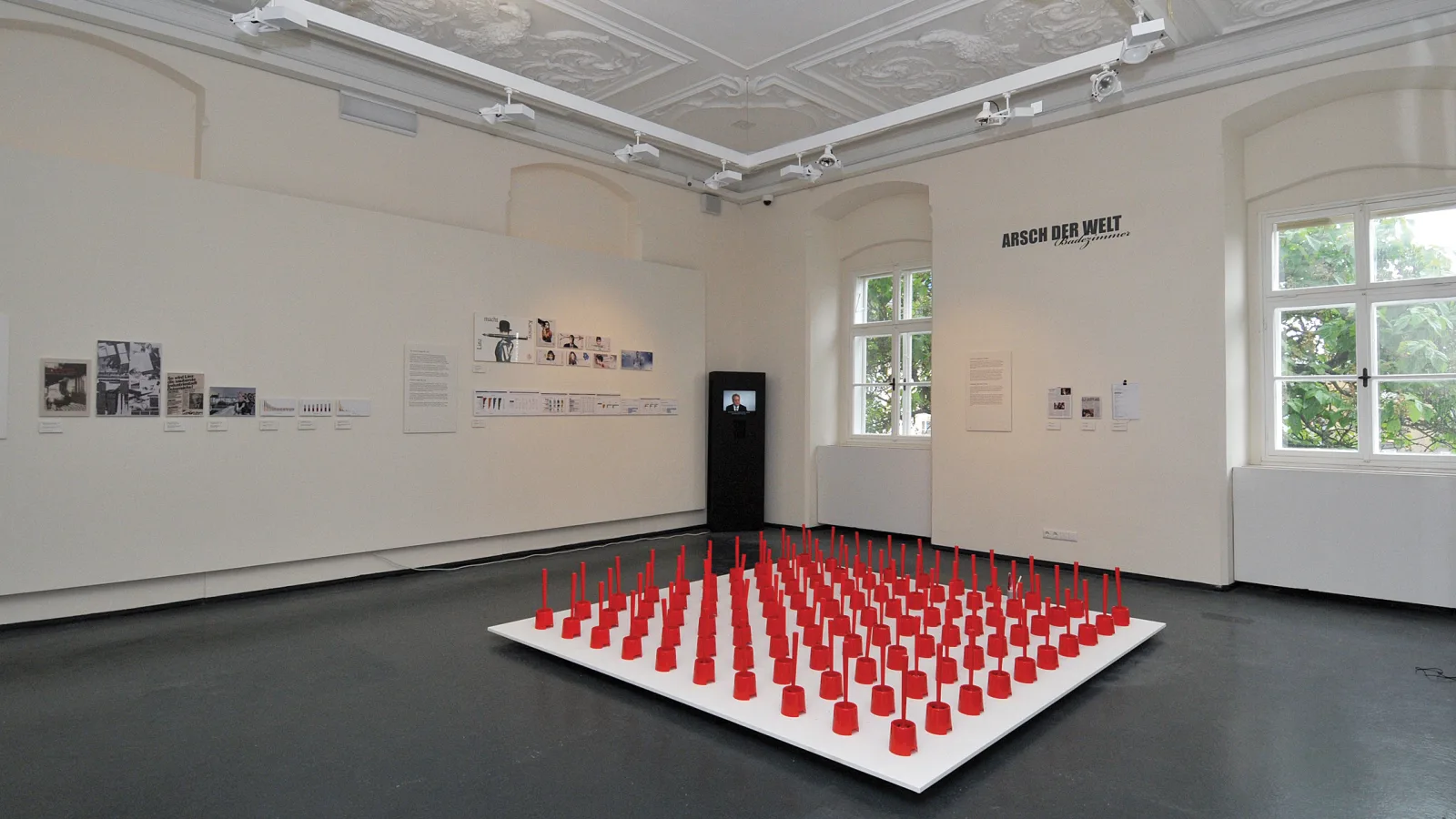
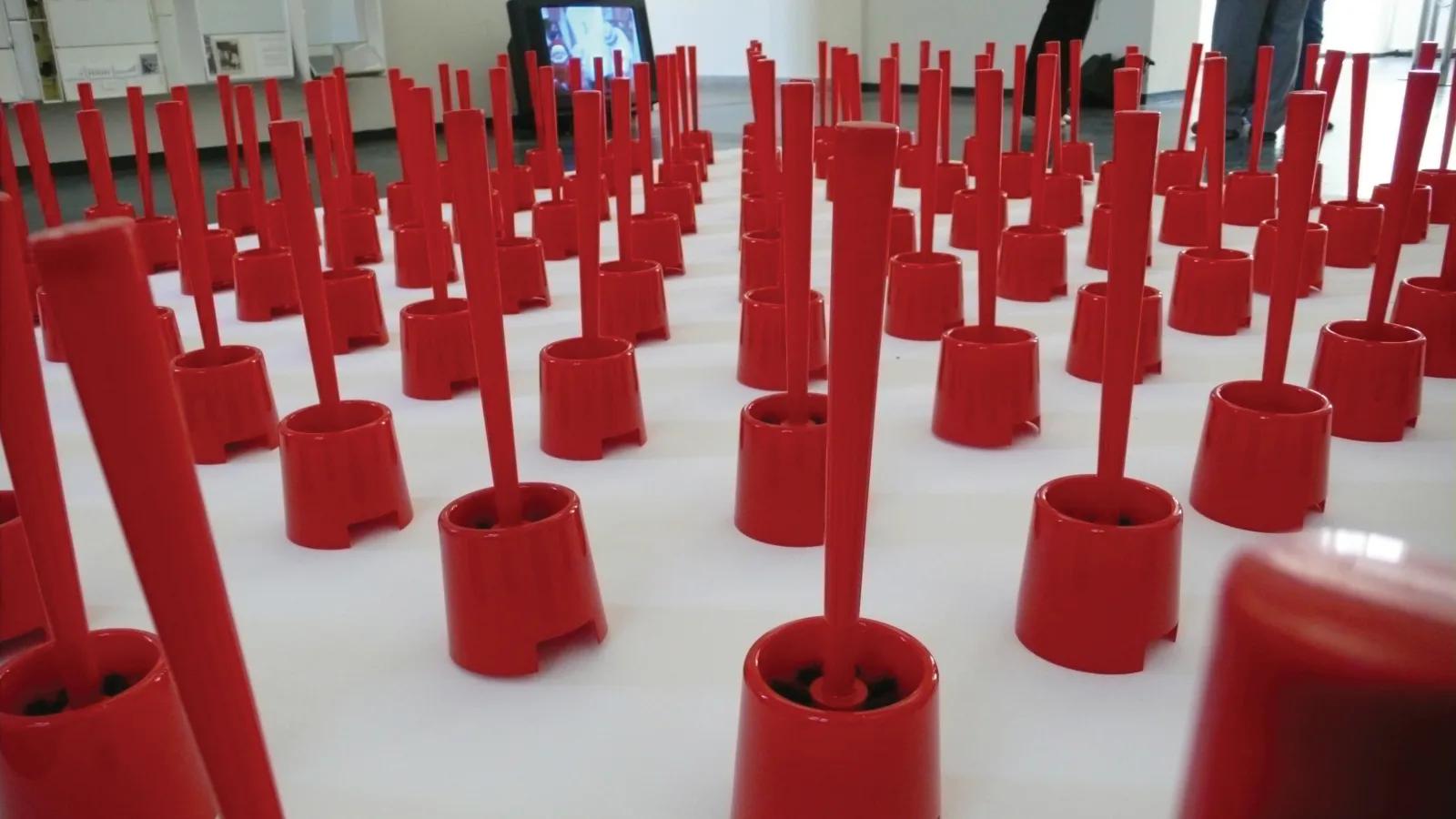
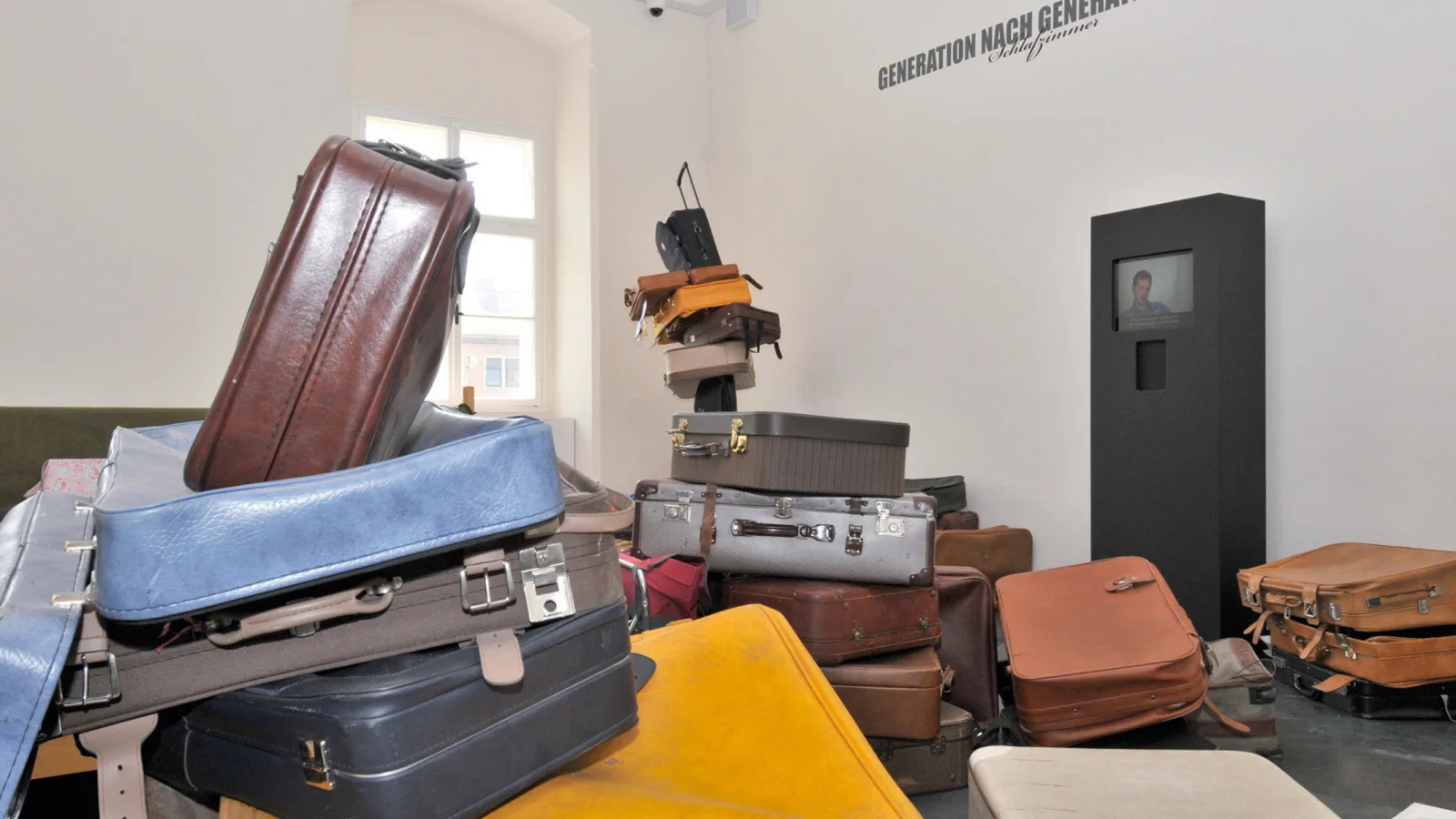
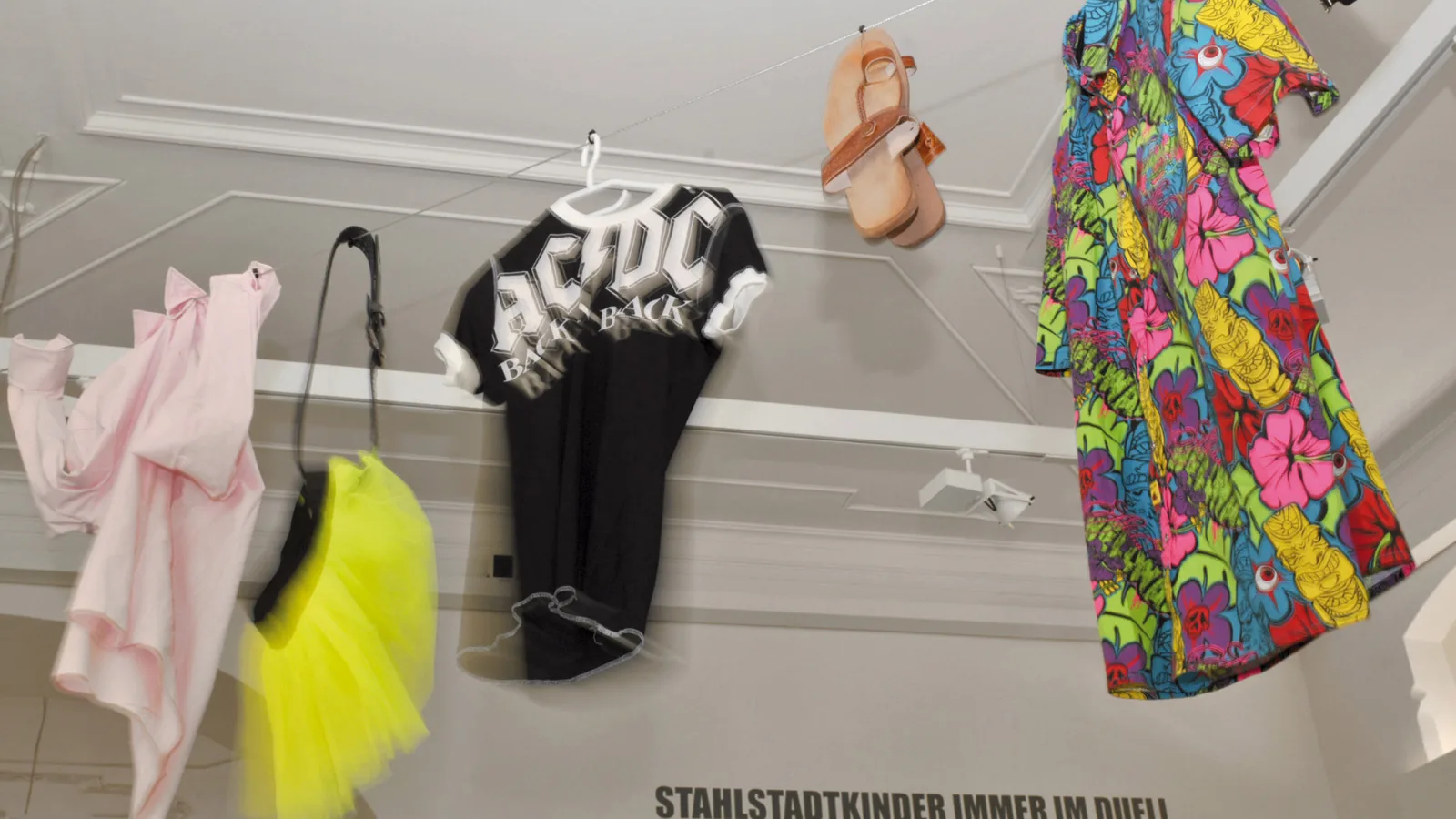
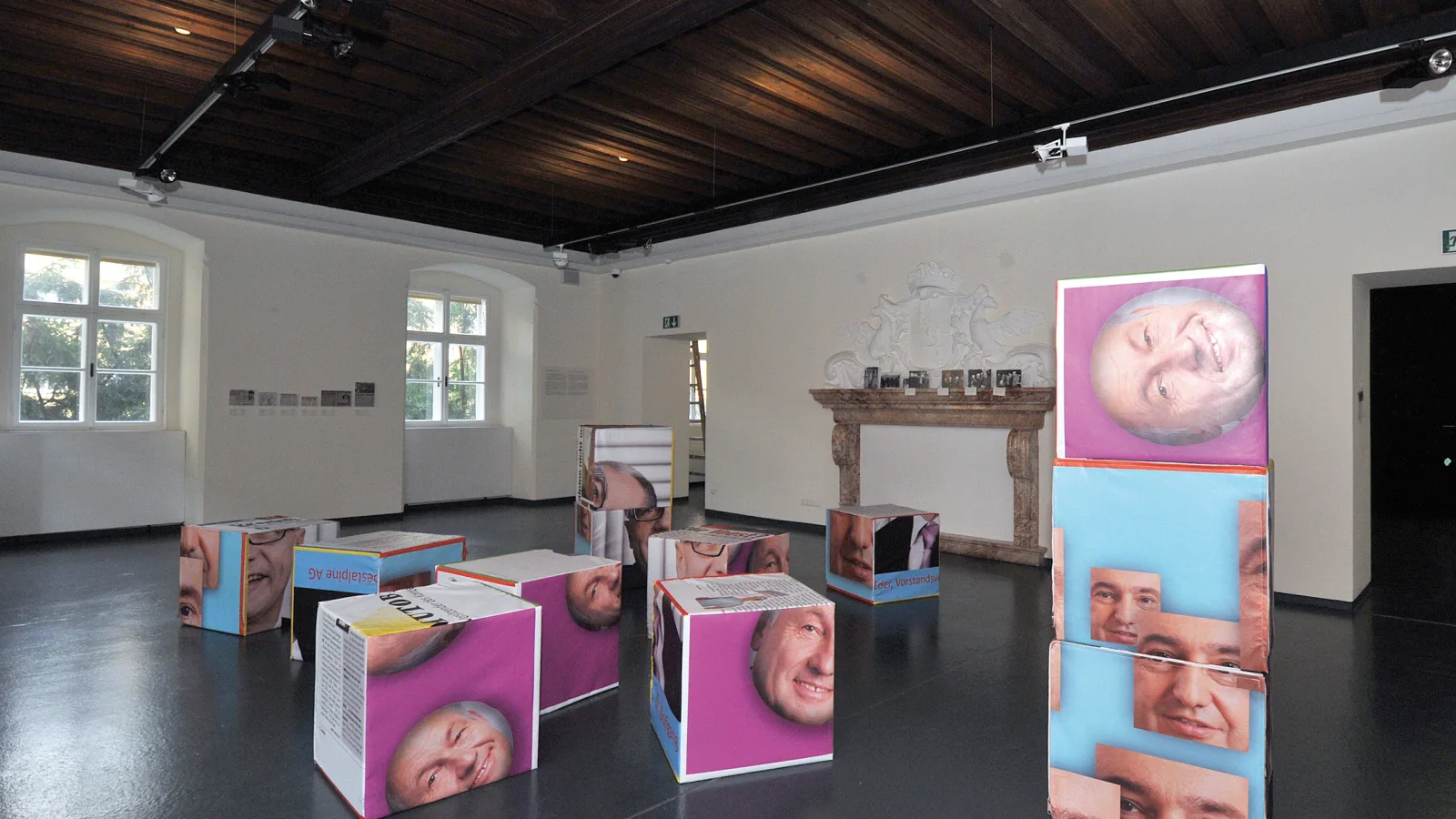
As a regional capital, Linz is a special case. For a long time, the city had to struggle with its provincial image, enduring for many years a poor reputation as a stinking industrial town without charm, its history overshadowed even today by that hapless period when it was the “Führer’s” favourite city. However, since the 1970s, the city has undergone a profound transformation. The aim of both a research project directed by Thomas Philipp (LIquA - Linz Institute for Qualitative Analyses) and the exhibition itself was to adopt a definite position towards the central questions concerning the city’s development. What makes Linz an industrial and cultural city? Which events have imprinted themselves on its collective memory? How do the people who live and work in Linz see their city? The history of Linz is examined on the basis of various perspectives - some of them very personal. This has made it possible to avoid the classic approach to presentation that is frequently encountered in a municipal museum, enabling the local audience to be addressed directly and exposing national and international visitors to the Cultural Capital Linz09 to new approaches. The exhibition was staged as a stylised residential house, in which each room accommodated a theme. As such, the spatial installations could be understood not only as design elements but also as commentaries. Information was conveyed via texts and newspaper articles from the respective periods. Embedded in the space were video installations showing interviews with people from Linz talking about their city.
Events.
1
events total
-
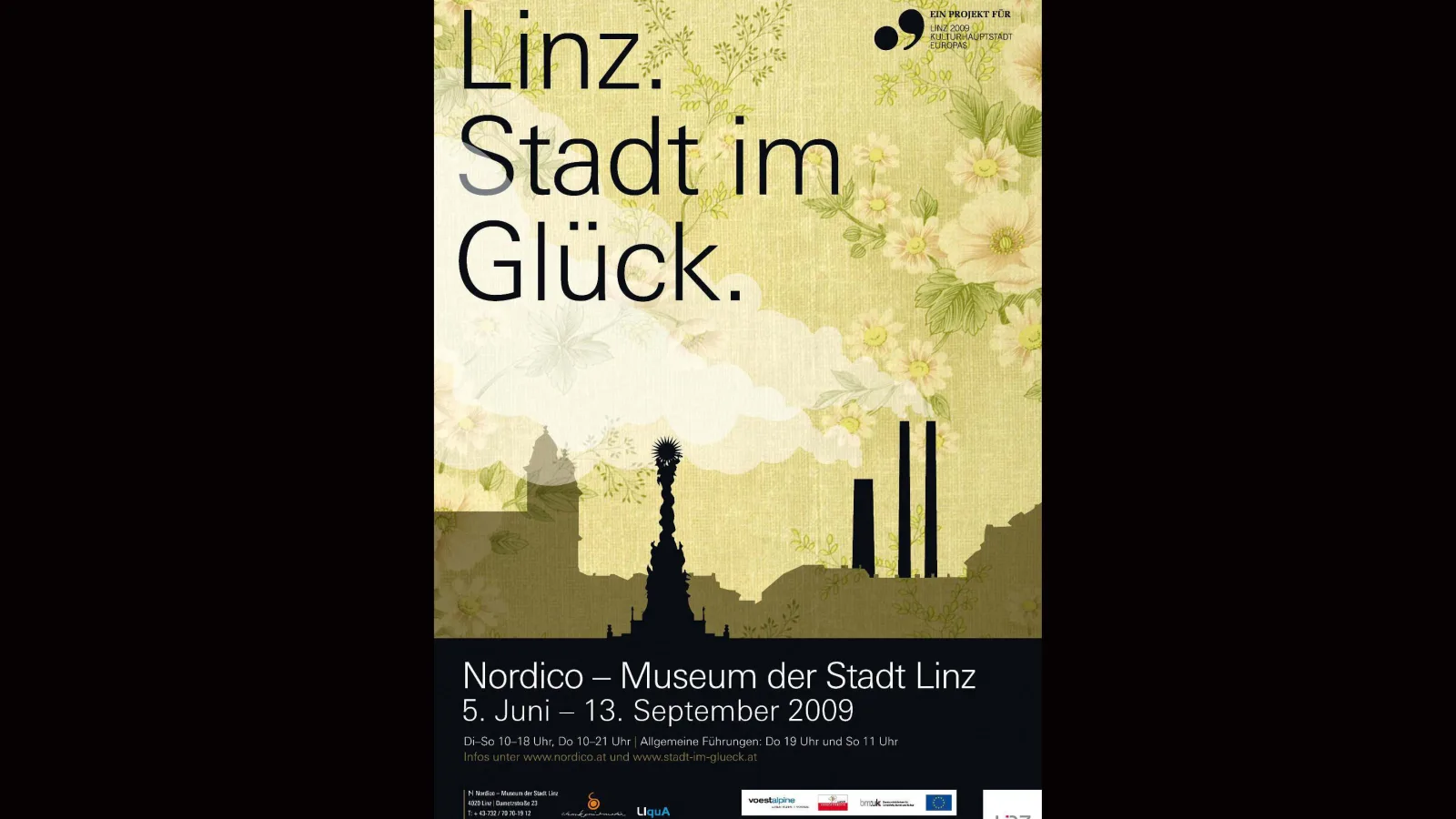
June 5, 200905.06.2009Virgil Widrich takes on the role of the artistic director of the exhibition “Linz. City in Luck” that forms part of that city’s year as European Capital of Culture. The exhibition transforms the City of Linz’s Nordico Museum into a house with rooms that reflect on aspects of the city and its development over the last three decades.