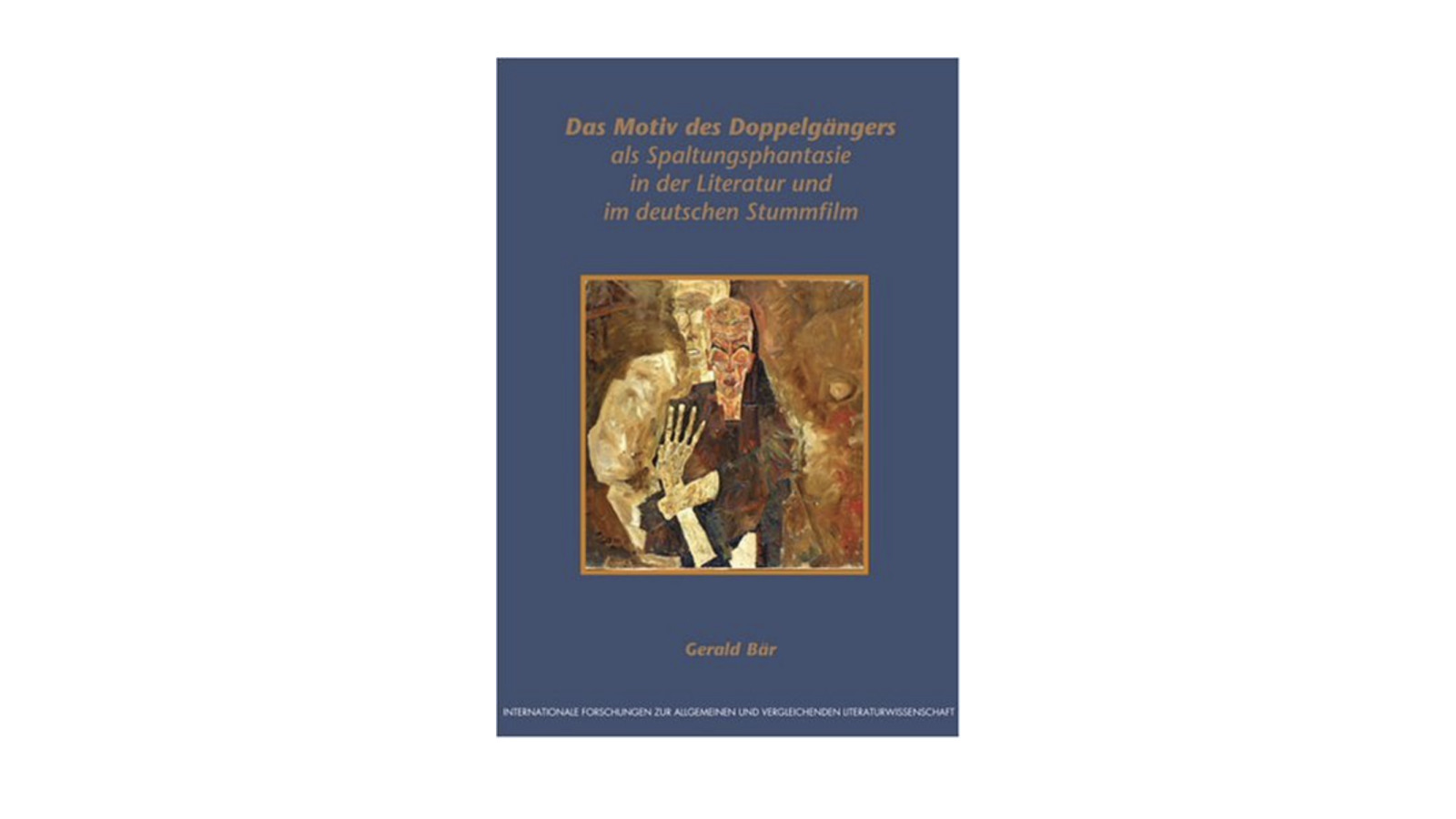
For the first time, a book discusses the enigmatic motif of the doppelganger, which is examined here not only in German literature, separately in drama, poetry, and epic poetry, and undertakes a broad attempt to build a bridge to (silent) film. What has only been hinted at in the secondary literature available so far is addressed in this interdisciplinary work, which also deals with splitting fantasies in painting and photography. The focus is on the richness of facets, ambiguity, and longevity of the fantastic doppelganger motif, which hardly loses its appeal even in literary realism or through the insights of psychoanalysis, and which makes an impressive comeback in the age of the technical reproducibility of psychic phenomena on the screen. This topic is just as interesting for literary and film scholars as it is for philosophically and psychoanalytically trained readers.